Your Brain Is Always Listening. The Question Is What State It's In.
"The frequency creates the container. Your language is what goes inside it." — Recode Alchemy
Introduction:
Right now, as you read this sentence, your brain is in a specific electrical state. Neurons across your cortex are firing in a synchronized rhythm, oscillating at a particular frequency. That frequency determines how you process information, how alert or relaxed you feel, and how accessible your subconscious mind is to new input.
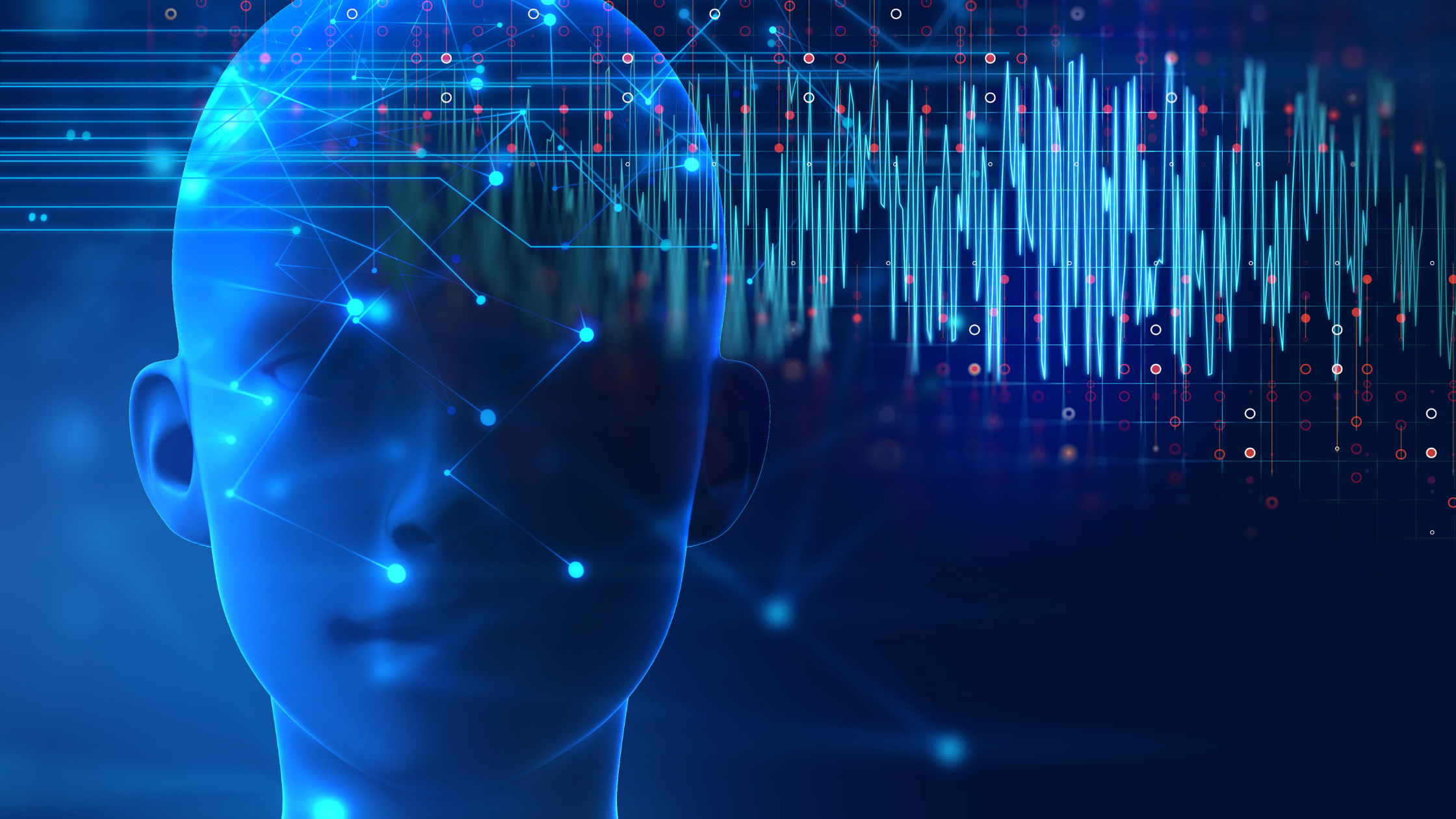
This is not metaphor. It is measurable. An EEG can read the electrical activity of your brain in real time and tell you exactly which state you are in at any given moment. And each state has a distinct relationship to how deeply your subconscious can receive and integrate new language.
The Four States That Matter
Your brain cycles through several brainwave states throughout the day. Four of them are relevant to understanding how subconscious change works.
Beta (13-30 Hz) is your default waking state. Alert, analytical, task-focused. Your critical faculty is fully active. This is the state where your conscious mind evaluates, judges, and filters incoming information. When someone tells you to “just think positive” and it bounces off, beta is why. The critical faculty heard the instruction, evaluated it against your existing beliefs, found it incongruent, and filed it away. The subconscious never received it.
Alpha (8-12 Hz) is the state between full alertness and relaxation. Calm focus. The critical faculty begins to soften. Creative thinking becomes easier. You enter alpha naturally when you’re absorbed in something, when you’re in a flow state, or when you close your eyes and let your mind wander. In alpha, the subconscious becomes more accessible. Information can begin to pass through the critical filter without being fully evaluated. This is why you sometimes have your best ideas in the shower or on a walk: your brain has dropped into alpha, and your subconscious is contributing to the process.
Theta (4-7 Hz) is the state just above sleep. Deep relaxation. Dreamlike awareness. This is the hypnotic sweet spot. The critical faculty is largely offline. The subconscious mind is highly receptive. Language received in theta is processed without the conscious evaluation that normally filters, rejects, or dilutes incoming information. This is the state where embedded commands land, where identity language integrates, and where the subconscious can begin reorganizing around new patterns. You pass through theta naturally every night as you fall asleep and every morning as you wake up. Those transition moments are the windows where your subconscious is most open.
Delta (0.5-4 Hz) is deep sleep. The conscious mind is fully offline. The subconscious is active in a different way: processing, consolidating, integrating experiences from the day. Delta is associated with physical healing, immune function, and deep nervous system restoration. It is the state where the body repairs itself.
Why This Matters for Subconscious Change
Most personal development happens in beta. You read a book (beta). You attend a workshop (beta). You repeat affirmations in front of a mirror (beta). You set intentions (beta). Your critical faculty is active for all of it. The information enters through the front door and gets evaluated, filtered, and in many cases quietly discarded by a subconscious that has been running its current programming for years or decades.
Hypnosis works differently because it delivers language in theta. The critical faculty has stepped aside. The subconscious is receiving directly. The front door is bypassed entirely.
This is why you can understand a pattern perfectly (beta achievement) and still feel it running your behavior (subconscious pattern). Understanding happens at one brainwave state. Change happens at another. They are different operations performed by different systems at different frequencies.
Entrainment: How the Brain Gets There
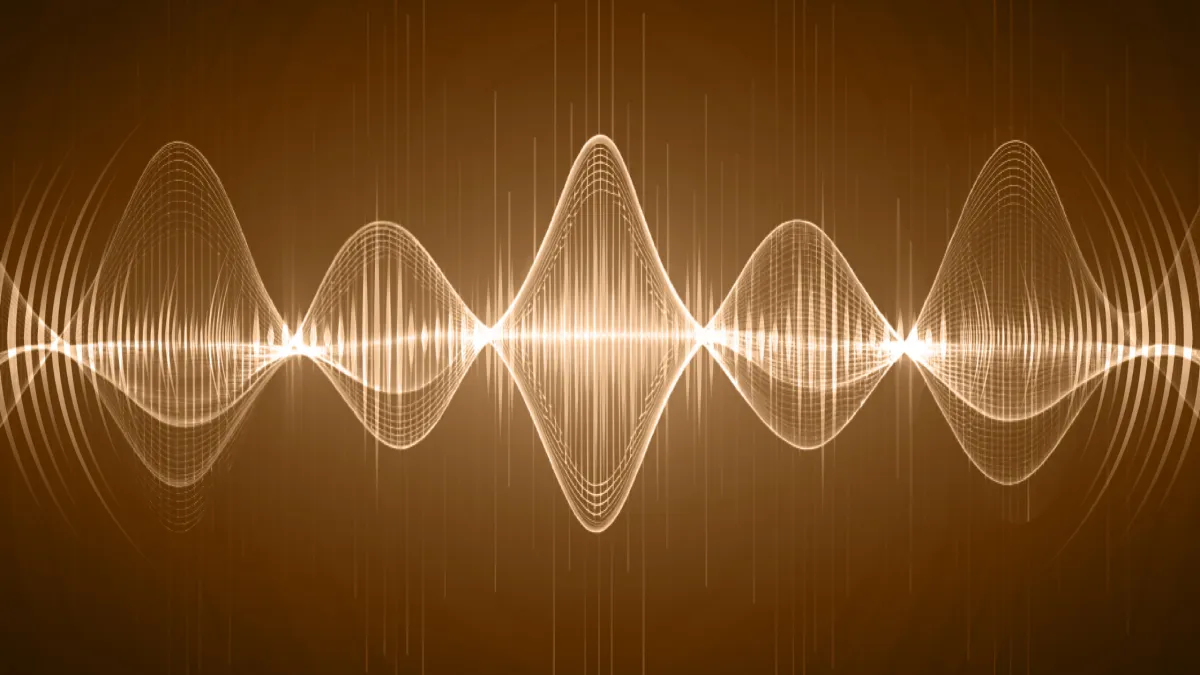
Your brain has a natural tendency to synchronize its electrical activity with external rhythmic stimuli. This is called entrainment. If you sit next to a steady, rhythmic sound at a particular frequency, your brainwaves will gradually begin to match it. This happens without conscious effort or intention. Your nervous system does it automatically.
Binaural beat technology uses this principle deliberately. When each ear receives a slightly different frequency through headphones, the brain perceives the mathematical difference between the two as a rhythmic pulse and begins synchronizing to it. If the left ear receives 197 Hz and the right ear receives 203 Hz, the brain perceives a 6 Hz difference and gradually entrains toward theta.
The result is a guided descent from beta (alert waking state) through alpha (relaxed focus) into theta (subconscious receptivity), supported by a steady neurological signal that the brain follows naturally. The listener does not need to concentrate, meditate, or try to relax. The entrainment does the settling. The listener’s only job is to be there.
The Container and the Content
Here is where brainwave science and personalized language work come together.
The frequency creates the neurological state. It opens the window. It settles the brain into the range where subconscious receptivity is highest. This is the container.
What goes inside that container is what determines whether anything actually changes. A generic affirmation delivered in theta will be received more deeply than the same affirmation delivered in beta. The state improves the delivery. But the language still matters. Generic language received deeply is still generic language. The subconscious receives it, processes it as unfamiliar input, and integrates it weakly.
Language that the subconscious recognizes as its own, delivered in a state of deep receptivity, is a fundamentally different experience. The brain is in theta. The critical faculty is offline. And the words arriving are the client’s own emotional vocabulary, identity phrases, and internal dialogue, structured into a form the subconscious can reorganize around. Recognition meets receptivity. Familiarity meets depth. And the integration that follows feels like something that was already in motion rather than something imposed from outside.
That is the intersection of brainwave science and Adaptive NLP Hypnosis. The frequency opens the door. The client’s own language walks through it.
What You Experience
From the listener’s perspective, none of this is visible. You settle in. You close your eyes. The audio begins. Your body relaxes. Your mind quiets. And at some point, you stop tracking what’s being said and simply receive it.
That moment, the moment where conscious tracking stops and subconscious receiving begins, is the theta transition. It happens naturally. You pass through it every night on your way to sleep. The difference is that in this context, the language arriving during that transition was built from your own words, paced for your nervous system, and structured to integrate at the depth your brain is now operating at.
Your brain is always listening. The question is what state it’s in and what language it’s receiving when it gets there.
Your brain already knows how to enter the state where change happens. It does it every night before sleep. What it receives in that state is what matters. When you’re ready for that state to receive your own language, structured for integration, your recode starts with your words.